
New thinking for trustees considering endgame solutions for defined benefit schemes

We have seen a transformation in the defined benefit (DB) funding landscape. Our analysis shows that as at end of September 2025 over 80% of schemes were in surplus on a low dependency basis, with an estimated £170 billion of surplus assets. With so many DB schemes having a healthy surplus, trustees have more options than ever including running on their schemes and using a share of the surplus generated to improve benefits for their members.
In this blog, Executive Director of Market Oversight, Ben Gunnee considers the potential for further innovation in the DB landscape and The Pensions Regulator’s (TPR) expectations of trustees.
Broadly speaking, trustees of DB schemes have two overarching duties: to pay the promised benefits, and to act in members’ best interests.
For many years, buying out benefits with an insurer was seen as the best way to meet both. Whilst insurer buyout may still be the preferred choice for many schemes, it’s not the only option. New endgame models and approaches are making many trustees look again at their long-term objectives and consider whether there is potential to not just pay members their promised benefits, but also safely release surplus for the benefit of members and sponsoring employers.
The Pension Schemes Act 2026 proposes additional flexibility to the rules around releasing surplus. The proposals, covered in detail in our DB surplus release statement, put trustees in the driving seat for decisions about releasing surplus. We’ll be working with government to make sure that the regulatory environment is robust, and able to respond to a variety of market conditions.
In June last year we published new guidance which provided information for trustees on some of the wider options available. We also published a blog underlining the importance of long-term planning making clear that there isn’t a one-size-fits-all when it comes to endgame solutions.
A dynamic market is fostering new ideas
We are already seeing how improvements in funding are affecting trustee thinking and market innovations.
The Minister for Pensions recently published a statement expressing the government’s support for innovation in the DB system provided it does not come at the expense of members’ security.
Any new approaches must provide both security and value to members. We expect trustees, sponsoring employers and their advisers to engage with us early to clearly define how any proposal under consideration delivers a good outcome for members.
Many in industry have been talking about the transaction in December 2025 involving the Stagecoach Group Pension Scheme transferring sponsorship and covenant to Aberdeen Corporate Services Limited and Aberdeen Group PLC. This transfer involved the use of a Flexible Apportionment Arrangement (FAA).
This mechanism, in use since 2012, would typically be used in merger and acquisition activity and corporate restructuring but was used on this occasion for the purpose of transferring the scheme, not as a by-product of a wider business transaction.
We know this deal is still being discussed in the industry and trustees may be prompted to ask whether this kind of arrangement might work for them.
So how did it work?
The existing sponsor, Stagecoach, had expressed a desire to exit the covenant arrangement to simplify its business.
The scheme’s trustee approached TPR to discuss options under consideration. The scheme was in surplus on both a technical provisions and a buy-out basis. The funding position meant the trustee could have gone to an insurer and bought out the benefits. However, they wanted to explore options which would allow them to return more of the built-up surplus to the members to boost their retirement incomes.
The trustee sought advice regarding the statutory funding tests for use of the FAA and confirmed to TPR that they were satisfied that these tests were met. Under the Pensions Act 2004, the use of an FAA is a notifiable event and therefore trustees are obliged to inform TPR.
As a result of the transfer of sponsorship to Aberdeen, the trustee is now able to run-on, pay an immediate uplift to benefits, and share potential ongoing surplus between the members and the new sponsor.
Our focus throughout was to ensure member security was retained, the scheme could pay the promised benefits, and the trustee had followed good governance practices. With respect to governance, we wanted to satisfy ourselves the trustees had:
- taken appropriate advice
- demonstrated an appropriate level of due diligence
- given due consideration to the different risks and opportunities this transaction presented as they sought to enhance member outcomes
We acknowledged the trustee’s consideration of the revised Technical Actuarial Standard (TAS300) and the requirement to seek advice and consider all endgame strategies available for the scheme.
Post-transfer we are regulating the scheme in the same way as any other DB trust-based occupational pension scheme, and the scheme and new sponsor will need to comply with relevant legislation and the DB funding code of practice.
Use of FAAs
Under the current regulations, trustees must be satisfied that both parts of the funding test are met before approving an FAA for their scheme. An FAA is a notifiable event and TPR can request additional information from the trustee to ensure that we are satisfied that the parts of the test are met and members’ benefits are not adversely affected.
If we have concerns regarding any aspect of a transaction, we may open an investigation into the scope for use of our regulatory powers if good member outcomes are at risk.
The government announced on 16 June 2026 there will be consultation to determine whether and how the FAA framework should be strengthened. We consider this consultation to be an important opportunity for industry stakeholders to contribute their expertise and help shape a proportionate and effective approach.
Ahead of any changes to regulations, we recognise the need to provide clarity and maintain confidence in the market. We need to consider an interim approach to transactions involving FAAs that present similar characteristics to the Stagecoach transaction. We will continue to work closely with the Department of Work and Pensions to ensure that the regulatory framework evolves in step with the market.
Engaging with innovative ideas
Supporting innovation in savers’ interests is a key pillar of TPR’s regulatory strategy and we expect the strong funding position of many DB schemes to give rise to more innovation in the future. We want an open dialogue with the market – to support innovation while ensuring that the guard rails are in place for this to happen safely. And that in any option schemes pursue, members receive security and better outcomes as a result.
We’d urge anyone considering new models or novel proposals to get in touch or look at what support we provide through our innovation support service.
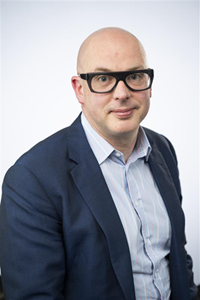
Ben Gunnee
Executive Director of Market Oversight


